The decision by Ghana's Tema Oil Refinery (TOR) to process crude from the country's Jubilee Field is being described by economists as a pivotal structural reform that could alleviate pressure on the cedi.
The move marks a significant operational milestone for the state-owned facility, which recently received a consignment of one million barrels of indigenous Jubilee Medium Sweet Crude.
By refining domestic crude rather than relying on imported feedstock, Ghana can reduce its foreign exchange outflows for fuel imports.
This shift in supply chain dynamics is viewed as a potential stabilizer for the local currency, which has faced volatility amid broader macroeconomic headwinds.
The operational change represents a tangible step toward energy self-sufficiency, reducing the country's exposure to global oil price swings and shipping costs.
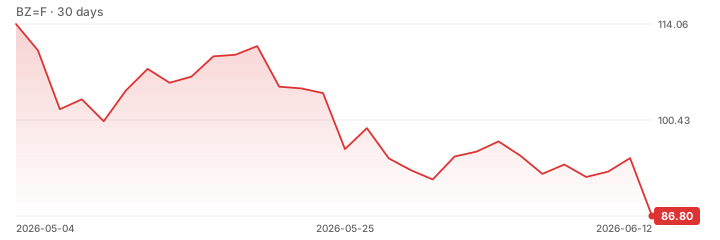
The development comes as global oil benchmarks shed the geopolitical premium that had sustained elevated valuations during recent Middle East tensions.
With crude prices moderating, the economic case for domestic refining becomes more compelling, allowing Ghana to capture more value from its natural resources.