Ghana is pursuing an ambitious policy shift to produce 70% of its fuel domestically through expanded refinery capacity, according to reports from MyJoyOnline.
Energy and Green Transition Minister Dr. John Abdulai Jinapor outlined the roadmap, emphasizing resilient policies and downstream sector development as key pillars of the strategy.
The initiative represents a significant move toward energy security for the West African nation, which has historically relied heavily on imported petroleum products.
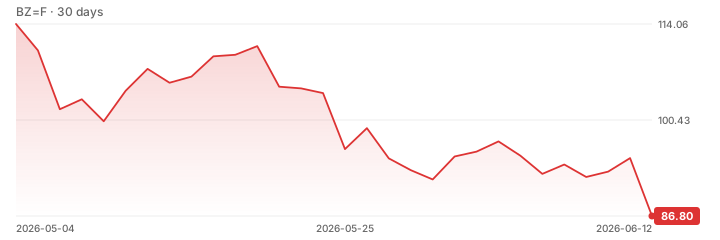
The push for greater local refining aligns with broader trends in emerging markets seeking to insulate their economies from volatile global fuel prices and supply chain disruptions.
By increasing domestic production, Ghana aims to stabilize local fuel costs and reduce the foreign exchange burden associated with large-scale imports.
This structural change could have long-term implications for the country's trade balance and energy sector investment flows.