Most Gulf stock markets closed lower on Thursday, with Dubai's primary share index dipping 0.3%, as a new wave of U.S. military strikes on Iranian sites intensified fears of a wider regional war.
The sell-off reflects growing investor anxiety that the conflict could expand beyond current boundaries, disrupting trade routes and energy supplies across the Middle East.
The market reaction underscores the delicate balance investors face: while geopolitical tension typically drives crude oil prices higher, the immediate risk to regional stability is weighing on equity valuations.
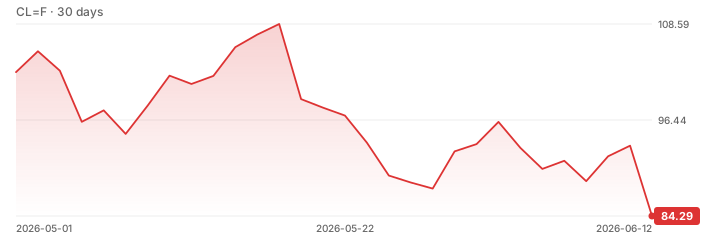
This follows a period of heightened volatility, with global bond markets experiencing a sharp selloff and crude oil recording its largest two-day percentage gain in four months earlier in the week as tensions flared.
The escalation marks a significant shift from earlier diplomatic efforts, with the U.S. targeting military infrastructure in Iran.
This development has prompted a flight to safety in global capital markets, with investors shifting funds toward traditionally stable assets amid uncertainty over the duration and scope of the hostilities.
Traders are now closely monitoring shipping lanes in the Gulf for any signs of disruption, which could further tighten oil supplies and exacerbate inflationary pressures globally.