The fragile ceasefire between the United States and Iran is showing signs of collapse, raising immediate concerns about the stability of the memorandum of understanding that has underpinned recent de-escalation efforts.
Reports indicate that without urgent deconfliction measures, both sides risk being drawn back into direct confrontation, a scenario that would severely impact global trade flows through the Strait of Hormuz.
This development marks a significant deterioration in the diplomatic landscape, following weeks of conflicting signals from Washington and Tehran regarding the nuclear accord.
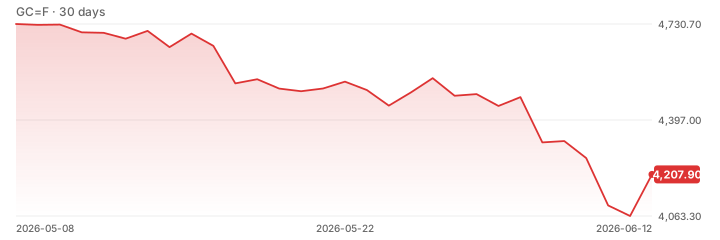
Global bond markets have reacted sharply to the escalation, with investors fleeing risk assets in favor of traditional safe havens.
The selloff reflects growing anxiety over the potential for supply chain disruptions, particularly in the energy sector.
Oil markets, which had seen some relief from supply fears earlier in the week, are now bracing for renewed volatility as the threat of shipping disruptions looms large.
The Strait of Hormuz remains a critical chokepoint, with Iran previously warning that oil tankers must use approved routes or face forceful responses.
This stance, combined with the recent escalation, underscores the ongoing geopolitical pressure on trade routes.