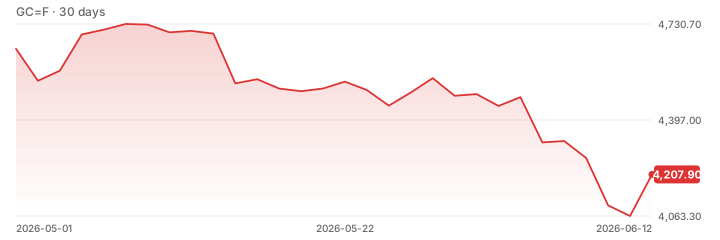
The fragile truce in the Strait of Hormuz has fractured, with fresh reports of attacks on oil tankers by both Iranian and Yemeni forces.
The renewed violence in the critical shipping lane between Iran and Oman has immediately reignited fears of a global supply disruption, undoing the market relief seen after the recent diplomatic agreement.
Energy markets, which had sold off sharply on Thursday as the ceasefire deal removed the immediate threat of a blockade, are now repricing the risk of renewed disruption.
The reversal highlights the volatility inherent in the region, where diplomatic progress remains tenuous and military posturing continues to threaten vital trade routes.
Europe’s oil market is under particular strain, as the continent relies heavily on imports passing through the Strait.
The escalation complicates the macroeconomic outlook for European economies already grappling with energy security concerns.
Previous warnings from the UN that a reopening would not immediately end the global trade shock appear increasingly prescient as hostilities resume.
The situation follows a period of intense military strikes between the United States and Iran, which had previously sent shockwaves through global energy markets.
While Oman continues to mediate talks, the on-the-ground reality suggests that a lasting resolution remains elusive.
Investors are now watching for any official statements from naval forces or governments regarding the safety of transit routes.