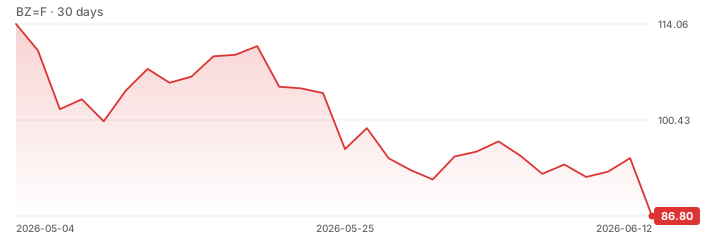
The global oil market faces a compounding supply risk as Houthi activities in the Red Sea threaten to exacerbate existing vulnerabilities in the Strait of Hormuz.
This dual-front shipping disruption creates a precarious environment for crude logistics, potentially reversing the recent stabilization of energy prices that followed the fading of the initial Iran risk premium.
Market participants are increasingly focused on the intersection of these two chokepoints.
While tensions in the Gulf have previously driven significant volatility, the addition of Red Sea instability introduces a new layer of complexity for global supply chains.
The threat is not merely theoretical; it directly impacts the flow of a significant portion of global oil shipments, raising the specter of renewed inflationary pressures in major economies.
The fragility of the current market equilibrium is underscored by the persistent reliance of key importers, such as Japan, on uninterrupted oil flows despite ongoing regional conflicts.
This dependency ensures that any escalation in shipping risks will likely keep a premium on crude prices, as traders price in the probability of supply bottlenecks.
Energy firms and traders are monitoring the situation closely, with the potential for rapid repricing if shipping routes are further constrained.
The interplay between geopolitical tensions and market sentiment remains the primary driver of near-term volatility, with investors weighing the likelihood of a sustained supply disruption against current inventory levels.