The narrative of a smooth, uninterrupted easing cycle by major central banks is fracturing as inflationary pressures resurface, driven by geopolitical instability and supply-side shocks.
Market participants are increasingly pricing in a hawkish pivot, with the Federal Reserve and the European Central Bank facing renewed scrutiny over their policy trajectories.
The prospect of rate hikes, previously dismissed as unlikely, is back on the table as inflation fears return to the forefront of market sentiment.
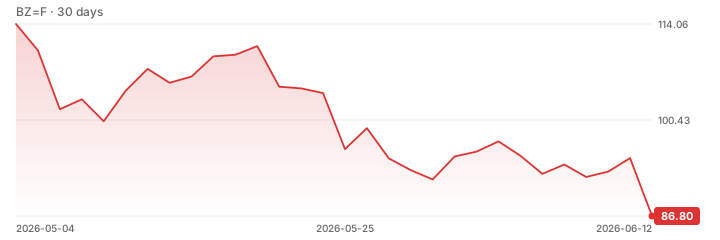
This shift in sentiment is largely attributed to escalating tensions in the Middle East, which have disrupted energy supply chains and pushed commodity prices higher.
The resulting cost-push inflation is complicating the mandate of central banks, which had been preparing to lower borrowing costs to support economic growth.
Instead, officials are now grappling with the risk that premature easing could entrench inflation expectations, forcing a potential reversal of policy.