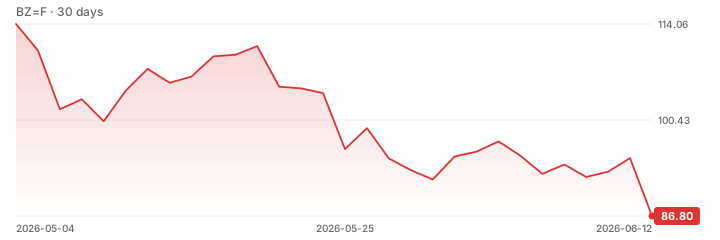
The ongoing military conflict involving Iran is intensifying into a broader regional crisis, triggering a sharp rebound in global oil and gas prices.
This escalation raises immediate concerns about a resurgence of inflationary pressures across major economies, complicating the monetary policy outlook for central banks that have been navigating a fragile recovery.
According to reports from Welt, the geopolitical instability is not only driving up fossil fuel costs but also creating a paradoxical headwind for the green energy transition.
The surge in traditional energy prices threatens to make renewable alternatives, such as wind power, appear less economically viable in the short term, potentially slowing investment momentum in sectors that were previously gaining ground due to high fossil fuel costs.
The financial burden of this energy shock is already being felt by consumers.
Recent analysis indicates that U.S. households are paying an average of $447.19 more for energy since the onset of hostilities, forcing many families to dip into savings or take on additional debt.