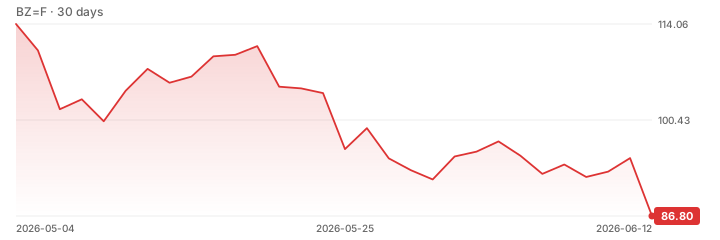
An analysis from the Esade business school warns that the reactivation of the conflict in Iran could drive global energy prices up by as much as 80% in 2026 compared to pre-conflict levels.
The report highlights a growing risk that the geopolitical confrontation will impose a "trend toward deceleration" on worldwide economic activity, reversing recent stabilization efforts.
The potential for an 80% price increase represents a severe shock to global supply chains, particularly for economies heavily reliant on imported energy.
Brent crude prices have already shown sensitivity to the shifting security landscape, with markets digesting the implications of renewed hostilities.
The potential for an 80% price increase represents a severe shock to global supply chains, particularly for economies heavily reliant on imported energy.
This repricing pressure comes after a brief period of calm following the US-Iran ceasefire pact in late June, which had temporarily cooled oil prices.
The inflationary threat extends beyond the energy sector.
US retailers have already begun sounding alarms that the ongoing conflict is triggering broader inflationary pressures, potentially affecting consumer goods and services.