Iran is accelerating efforts to expand overland trade with Pakistan, targeting 2,000 truck crossings per day in a bid to mitigate the economic impact of the ongoing Strait of Hormuz blockade.
The initiative represents a strategic pivot toward land-based logistics as maritime routes remain exposed to geopolitical friction and shipping disruptions.
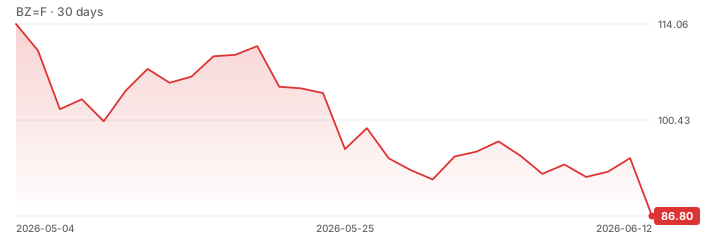
The development comes as Brent crude prices have surged toward $100, driven by fears that the Hormuz blockade could tighten further.
Analysts suggest the expanded trucking corridor will "ease the squeeze" on Iran’s trade flows but stop short of neutralizing the broader impact of the blockade.
While the land route offers a critical alternative for bilateral commerce, it cannot fully replace the volume and efficiency of maritime shipping through the Hormuz corridor, which remains a chokepoint for global energy supplies.
The move coincides with diplomatic activity in the region, as Iraqi Prime Minister Ali Faleh Al-Zaidi confirmed that officials would visit Tehran on Thursday to discuss bilateral cooperation.
This engagement underscores Iran’s broader strategy to strengthen regional trade ties and reduce dependency on contested sea lanes amid persistent tensions with the United States.
The development comes as Brent crude prices have surged toward $100, driven by fears that the Hormuz blockade could tighten further.
Markets are closely watching whether Iran’s land-trade expansion and diplomatic overtures can stabilize energy flows or if shipping risks will continue to weigh on global oil supplies..