Iran has declined to ease its control over the Strait of Hormuz, rejecting diplomatic pressure from the United States to open the critical oil shipping corridor.
The refusal marks a significant setback in efforts to normalize transit in the Persian Gulf, despite Washington's stated willingness to pursue a negotiated resolution.
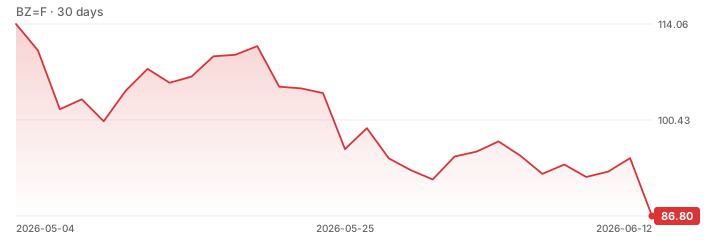
Goldman Sachs recently warned that persistent disruptions could push oil prices above $120 a barrel, highlighting the financial stakes of the ongoing standoff.
The stalemate undermines the momentum from a preliminary agreement reported earlier this week that had suggested a path toward reopening the strait.
With Tehran maintaining its firm grip on the chokepoint, the immediate threat to global energy flows remains unresolved, leaving shipping routes exposed to continued disruption risk.
Markets have yet to fully price in a return to normalcy, with Brent crude remaining sensitive to geopolitical headlines.
Goldman Sachs recently warned that persistent disruptions could push oil prices above $120 a barrel, highlighting the financial stakes of the ongoing standoff.