Oil revenues accounted for 84% of Iraq's federal budget income during the first five months of 2026, a notable decline from the 91% share recorded in the same period last year.
The data, reported by Shafaq News, highlights a gradual diversification in the country's fiscal structure as non-oil income streams expand their contribution to the national coffers.
747 trillion Iraqi dinars in total revenue through May, with the reduced reliance on crude exports reflecting broader efforts to stabilize public finances amid volatile energy markets.
The government collected 33.747 trillion Iraqi dinars in total revenue through May, with the reduced reliance on crude exports reflecting broader efforts to stabilize public finances amid volatile energy markets.
While oil remains the primary driver of Iraq's economy, the shrinking percentage indicates that other sectors are increasingly supporting the federal budget.
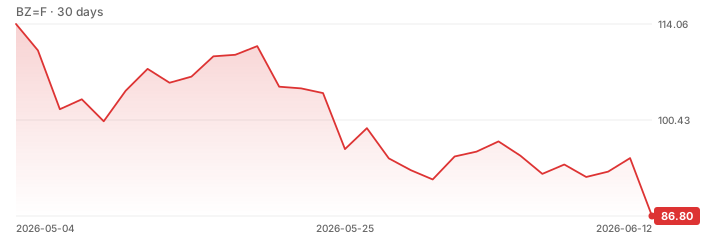
This shift comes as global energy markets have experienced significant volatility, with Brent crude prices fluctuating due to geopolitical tensions and supply concerns.
Iraq, as one of the world's largest oil exporters, has been actively seeking to reduce its vulnerability to price swings by boosting non-oil revenues, including taxes and fees from other economic activities.