Malaysia has issued its first US dollar-denominated bonds in five years, a move aimed at bolstering funding as the government grapples with a fuel subsidy bill that is projected to more than double.
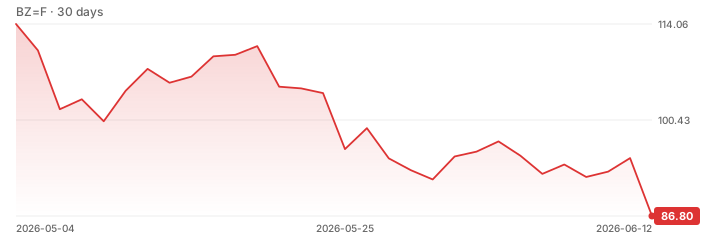
The issuance comes as rising global oil prices, exacerbated by the ongoing conflict in Iran, threaten to push the 2026 subsidy cost to approximately 40 billion ringgit.
5 billion, even as global Brent crude prices settled within the US$70 to US$90 per barrel range.
The decision to return to the international bond market signals a strategic shift in how Kuala Lumpur is managing its fiscal obligations.
Previously, monthly fuel subsidy expenditure was projected to remain near RM3.5 billion, even as global Brent crude prices settled within the US$70 to US$90 per barrel range.
The current escalation in energy costs has forced a reassessment of these budgets, necessitating external financing to bridge the gap.
This development underscores the persistent fiscal burden on the Malaysian government.