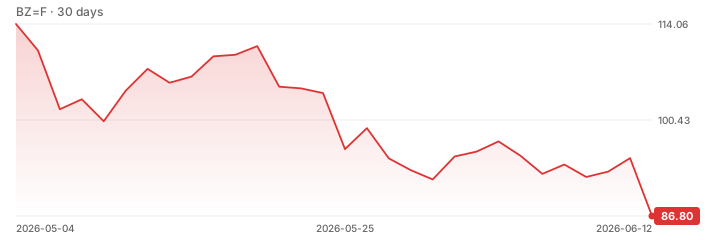
Moody's Ratings has issued a stark warning regarding Colombia's fiscal trajectory, cautioning that maintaining frozen domestic prices for gasoline and diesel could create a fiscal hole of approximately 10 trillion pesos.
The rating agency highlighted that the gap between controlled retail prices and market rates is straining the national fuel subsidy fund, known as Fepc, and exacerbating the country's overall deficit.
The assessment underscores the growing tension between political incentives to shield consumers from volatile energy costs and the macroeconomic necessity of fiscal consolidation.
By decoupling domestic fuel prices from international crude benchmarks, the government risks accumulating unsustainable liabilities that could weigh on sovereign credit metrics and limit fiscal flexibility for other public spending priorities.
This development arrives as fuel subsidy management becomes a focal point for investors across emerging markets.
While the Trump administration and congressional Republicans in the United States are intensifying efforts to suspend the federal gasoline excise tax to address retail price stagnation, other economies like Malaysia are grappling with persistent subsidy expenditures despite stabilizing global crude prices.