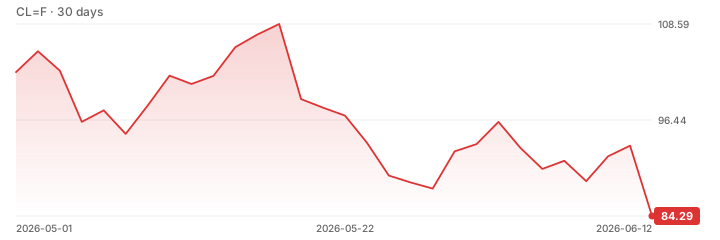
The Dutch cabinet has authorized companies to sell oil from their strategic reserves on the global market, a move aimed at mitigating the impact of soaring crude prices driven by the ongoing war in the Middle East.
The decision marks a significant shift in how the Netherlands manages its energy security buffers during periods of acute market stress.
According to NRC, the permission for firms to liquidate portions of their strategic stockpiles comes as oil prices have surged sharply due to the regional conflict.
By allowing these reserves to enter the commercial market, the government seeks to increase available supply and exert downward pressure on prices, which have been volatile amid fears of further supply disruptions.
This development occurs against a backdrop of complex geopolitical maneuvering in the energy sector.
Crude oil prices had retreated earlier in the week following reports that the United States is preparing to partially lift targeted sanctions on Iran’s oil exports.