Nigeria’s headline inflation rate accelerated to 15.93% in March 2026, shattering an 11-month disinflationary trend that had offered a glimmer of hope for the West African economy.
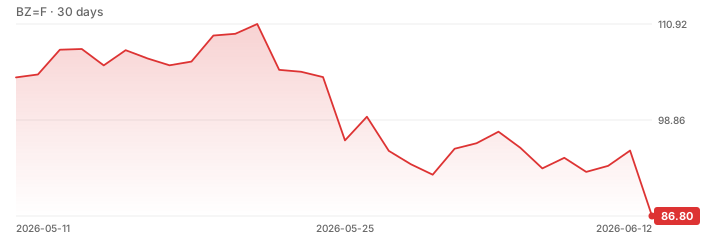
The reversal was driven primarily by a fresh wave of global energy disruptions that forced fuel costs higher, dragging the broader consumer price index back onto an upward trajectory.
The resurgence of price pressures underscores the vulnerability of Nigeria’s macroeconomic stability to external commodity shocks.
After months of gradual cooling, the re-acceleration suggests that domestic monetary tightening has been offset by imported inflation from the energy sector.
This development complicates the outlook for the Central Bank of Nigeria, which has been navigating a delicate balance between supporting growth and anchoring inflation expectations.
The March print aligns with recent warnings from credit rating agencies regarding the persistence of economic headwinds in the region.