A Norwegian chemical tanker operated by Stolt Tankers was hit by an explosion from an unidentified external device off the coast of Oman early Tuesday, triggering a fire in the engine room.
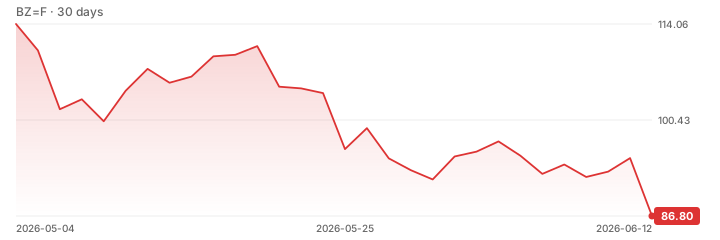
The incident, confirmed by crisis response firm MTI Network, marks a sharp escalation in maritime security risks in the region, coming just days after oil prices had softened on hopes of easing US-Iran tensions.
The strike on the Stolt Magnesium vessel highlights the fragility of the de-escalation narrative that had previously driven Brent crude lower.
While the crew reportedly survived the initial blast, the use of an explosive device against commercial shipping in such close proximity to the Strait of Hormuz signals that supply chain vulnerabilities remain acute.
This development directly challenges the market's recent pricing in of reduced geopolitical risk, which had seen energy benchmarks slide to multi-month lows earlier in the week.
Traders are now reassessing the probability of sustained disruption to global energy flows.
The Strait of Hormuz remains the critical chokepoint for a significant portion of the world's oil supply, and any confirmed attacks on commercial vessels typically trigger immediate insurance premium hikes and potential rerouting of tankers.
The incident follows a pattern of heightened activity in the region, with previous reports indicating other tankers had been struck by unknown projectiles in the same corridor.
The broader market implication is a potential reversal of the recent risk-off sentiment in energy markets.