Oculus shares fell nearly 4% in trading on the Icelandic Stock Exchange, extending a period of weakness for the biotech firm.
The decline occurred as broader market sentiment showed mixed signals, with investors rotating away from high-risk growth names amid global equity volatility.
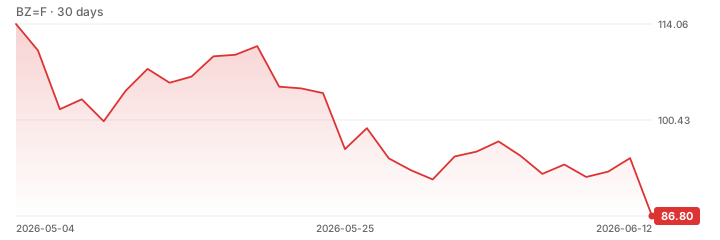
The move in oil prices comes after Brent crude stabilized around $72, with geopolitical uncertainty capping downside potential.
In contrast, Icelandair shares advanced during the session, benefiting from a drop in crude oil prices.
The airline's stock performance underscores the direct correlation between fuel costs and carrier profitability, a dynamic that has been closely watched since price caps expired earlier this year. The divergence between the two stocks highlights how sector-specific drivers are currently outweighing broader market trends in Reykjavik.
The move in oil prices comes after Brent crude stabilized around $72, with geopolitical uncertainty capping downside potential. While shipping risks in the Strait of Hormuz have previously supported higher prices, recent softening has provided relief to fuel-intensive industries like aviation.
This shift offers a temporary reprieve for airlines facing margin pressure, though long-term cost structures remain a concern.