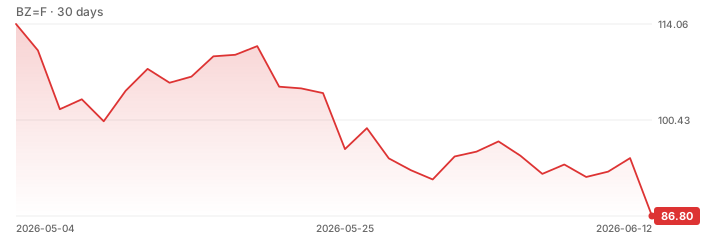
Brent crude advanced for a fifth consecutive session, driven by escalating fears that global energy supply chains face simultaneous disruption at two critical maritime chokepoints.
The Strait of Hormuz and the Bab el-Mandb are both under threat, creating a scenario that market experts describe as historically rare and structurally damaging to global trade flows.
At that time, analysts noted that the unwinding of the Hormuz risk premium could see prices fall toward $60.
The sustained rally reflects a shift in market psychology from isolated geopolitical risk to systemic supply vulnerability.
While previous weeks saw oil prices slide as US-Iran talks eased tensions and Hormuz traffic recovered, the current environment is defined by renewed fighting and the potential for coordinated disruptions across the Middle East's key shipping arteries. This dual-front risk premium is compelling buyers to secure forward supply, pushing prices higher despite the absence of immediate physical outages.
The development marks a sharp reversal from the sentiment that dominated early July, when diplomatic progress and stable export flows from Iran helped drive Brent below $71 and toward multi-month lows. At that time, analysts noted that the unwinding of the Hormuz risk premium could see prices fall toward $60. The current repricing suggests that traders have rapidly reassessed the probability of a prolonged supply shock, moving away from the peace-talk optimism that characterized the previous trading week.
Market participants are now closely monitoring shipping insurance rates and tanker tracking data for signs of actual route closures or diversions.