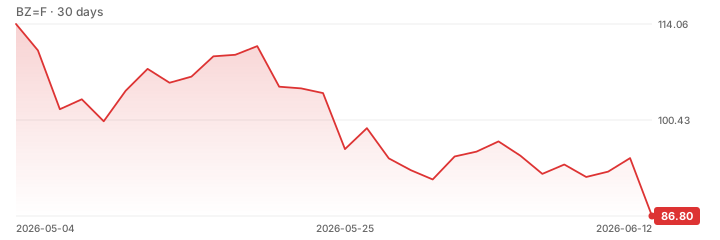
Global oil markets are grappling with a deepening supply crunch, driven by persistent disruptions in the Middle East that are forcing buyers to aggressively draw down stocks and reroute cargoes.
The tightening conditions are particularly acute in gasoline and diesel segments, where logistical bottlenecks are outpacing available supply.
This development extends the shipping risk narrative that has dominated energy trading since early July, when Oman’s diplomatic opacity on Hormuz fees heightened uncertainty around trade routes. Iran’s subsequent threats to use force against tankers deviating from approved Strait of Hormuz routes further complicated the logistics landscape, adding a layer of geopolitical premium to freight costs.
The International Energy Agency has warned that the ongoing conflict in Iran is inflicting severe damage on global oil demand dynamics, though a diplomatic resolution could quickly flip the market from a supply shock into a significant demand-driven correction.
For now, however, the immediate focus remains on the physical shortage of refined products as traders navigate the rerouting challenges.
Market participants are closely monitoring the interplay between geopolitical tensions and physical supply constraints.
While the broader macro environment has seen rate-cut hopes fuel rallies in equity indices like the DAX, energy markets remain isolated by the specific risks of Middle Eastern instability.