Pakistan’s government is preparing to reintroduce targeted fuel subsidies should geopolitical tensions in the Gulf region continue to escalate, marking a significant reversal of its ongoing petroleum pricing deregulation plan.
The move would effectively halt the shift toward a fully market-driven pricing mechanism, which authorities had previously defended as a transparent system designed to shield consumers from volatile global price shocks.
The petroleum minister has maintained that the current daily pricing model protects the economy from sudden cost spikes, but the prospect of renewed subsidies indicates that fiscal and political pressures are mounting.
If implemented, the subsidy program would likely increase the fiscal burden on the state, potentially complicating efforts to stabilize public finances and maintain investor confidence in the country’s economic reform trajectory.
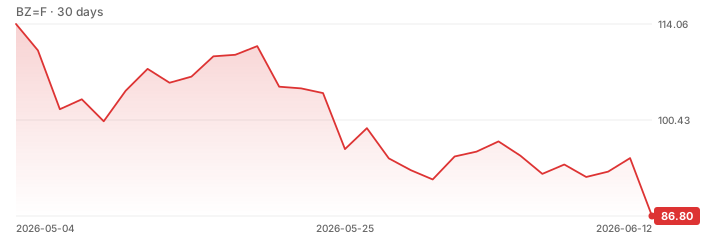
This policy uncertainty comes at a time when global energy markets are grappling with renewed violence in the region, contrasting sharply with the sentiment from weeks ago when traders were pricing in a potential unwind of the geopolitical risk premium.
The persistence of these tensions keeps a lid on any immediate relief for import-dependent economies like Pakistan, where fuel costs are a primary driver of inflation and currency stability.