Saudi Arabia is implementing a more expensive logistical workaround to export its crude oil, according to reports from MarketWatch and the New York Times.
The shift reflects the growing cost of navigating current shipping constraints, forcing the kingdom to absorb higher transportation expenses to keep its barrels moving to key buyers.
This development underscores the persistent friction in global energy supply chains.
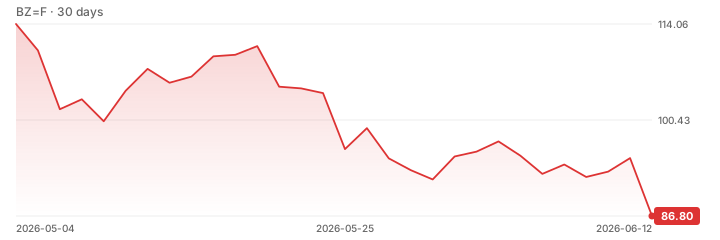
While Brent crude prices have stabilized near pre-conflict levels as the immediate Iran risk premium has faded, the underlying structural challenges in shipping routes remain. The increased cost of these workarounds acts as a de facto tax on Saudi exports, potentially squeezing margins for Aramco or necessitating adjustments in pricing strategies to remain competitive against other producers.
The move comes as Saudi Arabia has already introduced rare discounts on crude exports to Asian markets, signaling an escalation in competition for buyers. With Aramco previously considering new pricing mechanisms for cargoes loaded from Egypt’s Sidi Kerir port to account for higher transit costs, this latest workaround suggests that logistical hurdles are becoming a central factor in the kingdom's export economics.
The combination of discounts and higher transport costs indicates a dual pressure on Saudi revenue: lower netbacks per barrel and higher operational expenditures.