Saudi Arabia’s crude oil shipments passing through the Bab el-Mandeb Strait have plummeted by 36% over the past two weeks, according to a report by the Saudi newspaper Al-Eqtisamiya.
The steep decline coincides with Yemen’s Houthi rebels declaring a naval blockade against Saudi Arabia, marking a significant escalation in regional hostilities that threatens to widen the scope of shipping disruptions beyond the Red Sea.
Earlier this month, Iran warned oil tankers to use approved routes in the Strait of Hormuz or face forceful response, further complicating the shipping landscape.
The drop in transit volumes underscores the tangible impact of the Houthi campaign on global energy logistics.
Yemen’s Houthi leader Abdul-Malik al-Houthi has previously declared that all Saudi oil and other vital facilities will be targets for the group's missiles and drones if Riyadh escalates its involvement in the conflict. This threat has forced shippers to reroute or delay voyages, creating immediate bottlenecks at one of the world’s most critical energy chokepoints.
The disruption adds to existing pressures on global oil supply chains, which are already strained by tensions in the Strait of Hormuz.
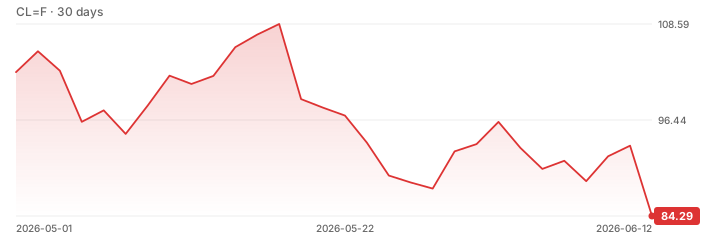
Earlier this month, Iran warned oil tankers to use approved routes in the Strait of Hormuz or face forceful response, further complicating the shipping landscape. With Japan’s oil import reliance persisting despite the Iran conflict, the dual-front shipping risk is likely to keep a premium on crude prices.
Market participants are now assessing the duration and severity of the Houthi blockade.
If the disruption persists, it could lead to tighter global supplies and higher freight costs, particularly for Asian importers dependent on Middle Eastern crude.