Fuel supply chains in Serbia are facing a dual shock from logistical bottlenecks and geopolitical risk, with imported fuel effectively drying up as barge traffic on the Danube River has ground to a halt.
Industry sources indicate that the combination of critically low water levels in the river and escalating tensions in the Middle East has created a severe shortage of imported gasoline and diesel, forcing local distributors to scramble for alternative routes.
The logistical paralysis on the Danube is exacerbating the impact of volatile crude oil prices on the Balkan market.
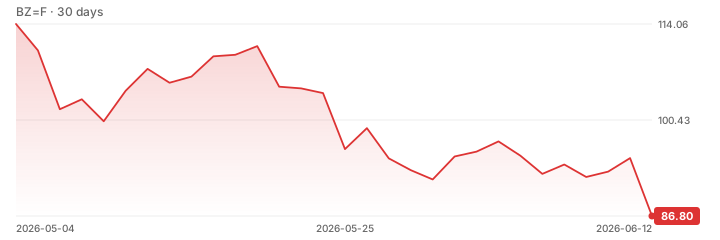
Brent crude has climbed to its highest level in a month and a half, triggering a sharp rise in wholesale prices for gasoline and diesel across key European markets.
The surge in the benchmark crude has dragged up valuation costs for refiners and traders, who are now facing additional transport premiums due to the river's navigational constraints.
This development marks a significant shift from the normalization seen earlier in the year.
Just weeks ago, Brent crude had retreated to pre-war lows as shipping routes through the Strait of Hormuz stabilized, offering a brief respite for regional fuel prices. However, the recent reimposition of a naval blockade on Iranian ports by the United States has reignited supply fears, causing crude oil prices to close with minimal movement but heightened volatility as traders digest the geopolitical escalation.