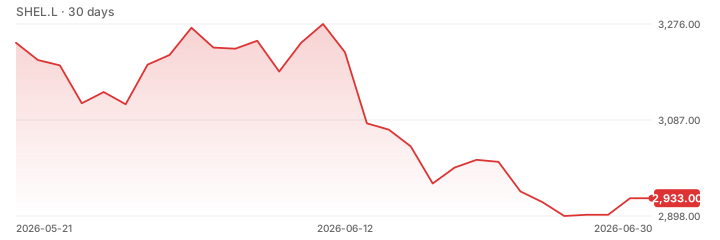
Shell’s second-quarter results reveal a stark divergence between its physical production and its trading operations, driven by escalating tensions in the Middle East.
While the company’s integrated gas production fell significantly, its trading business reported continued strength, benefiting from the volatility and widening spreads in energy markets.
The British energy major expects its integrated gas production to range between 610,000 and 650,000 barrels of oil equivalent per day in the second quarter, a notable decline from previous levels.
This drop reflects the direct impact of geopolitical instability on supply chains and physical flows, particularly in regions affected by the ongoing conflict.
Despite the production shortfall, Shell’s trading division emerged as a key profit driver.
The disruption in gas flows created opportunities for the company to capitalize on market inefficiencies and price differentials, highlighting the resilience of its commercial arm amid supply-side headwinds.