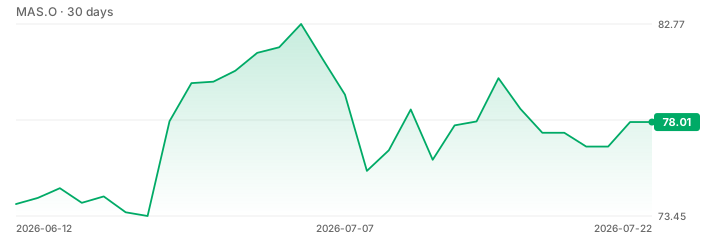
The Monetary Authority of Singapore (MAS) has tightened its monetary policy stance for a second consecutive time, moving to counter the inflationary threat posed by a renewed surge in global oil prices.
The decision marks a proactive shift by the central bank, which manages price stability through the Singapore dollar exchange rate rather than interest rates, aiming to anchor expectations before imported costs fully permeate the economy.
4% in May, driven by rising costs in food, retail, and services.
This second adjustment underscores the growing influence of energy market volatility on monetary policy frameworks globally.
While domestic inflation in Singapore remains relatively contained, the MAS is acting on the premise that persistent high oil prices will inevitably feed into broader price levels, particularly in transport, utilities, and consumer goods.
The move signals a clear divergence from a passive stance, prioritizing medium-term stability over short-term economic stimulus.
The policy tightening comes as Singapore’s core inflation rate accelerated to 1.6% in June, up from 1.4% in May, driven by rising costs in food, retail, and services.