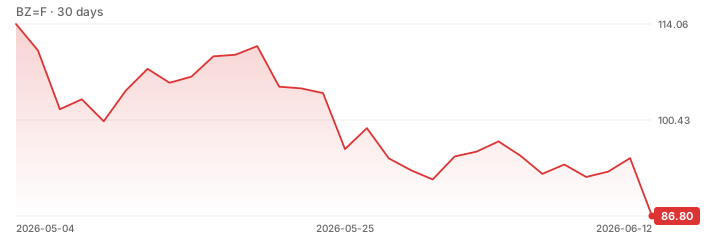
The Strait of Hormuz has been shuttered once more following a fresh round of missile strikes exchanged between the United States and Iran, effectively ending hopes for an extended ceasefire in the region.
The direct military confrontation represents a significant deterioration in the security environment of the Persian Gulf, reversing the de-escalation trends that had briefly eased supply fears earlier in the month.
Oil prices climbed sharply in response to the renewed closure, as traders recalibrated risk models to account for the immediate threat to tanker transit.
The development underscores the fragility of the recent calm, with Brent crude reversing the multi-month lows seen just days ago as the market prices in a return to active shipping disruption.
The closure of the strait poses an immediate logistical challenge for global energy flows, with approximately one-fifth of the world's oil supply passing through the narrow waterway.
Investors are now facing a scenario where prolonged conflict could lead to sustained supply constraints, contrasting with the earlier market sentiment that viewed the geopolitical risk as temporary and manageable.
Market participants are closely monitoring the situation for any signs of further escalation or diplomatic intervention.
The next critical development will be the response from international naval forces and any official statements regarding the safety of commercial shipping lanes in the immediate aftermath of the strikes.