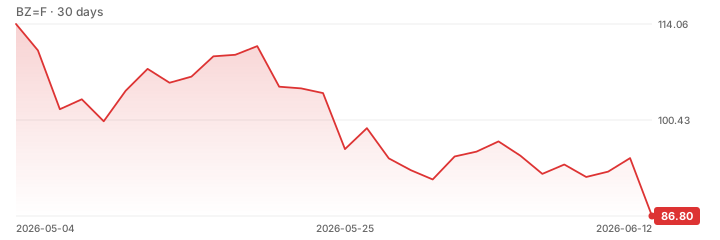
The strategic vulnerability of the Strait of Hormuz remains a central driver of global energy market risk, as ongoing conflict in the region underscores the chokepoint's critical role in international trade.
Reports from multiple wire services highlight that the current geopolitical friction is not merely a diplomatic dispute but a tangible threat to the free flow of hydrocarbons, keeping risk premiums embedded in freight and energy prices.
Markets continue to price in the possibility of disruption, with Brent crude and tanker equities reflecting the persistent uncertainty.
The Strait handles roughly one-fifth of global oil consumption, meaning even the threat of interference can trigger sharp repricing in energy and shipping sectors.
Investors are monitoring insurance rates and routing adjustments as key indicators of immediate risk, rather than waiting for physical blockades to occur.
This dynamic is compounded by a broader strategic reassessment among Gulf states and major energy consumers.