The Strait of Hormuz continues to serve as a primary flashpoint for global energy markets, with Iranian officials emphasizing the waterway's strategic geography as a deterrent against external pressure.
This stance reinforces the view that military posturing has effectively replaced diplomatic negotiation as the dominant driver of regional dynamics, according to recent reporting from Channel NewsAsia and other outlets.
Energy prices remain sensitive to any further escalation in the strait, where oil flows previously surged to 10 million barrels a day as shipping resumed.
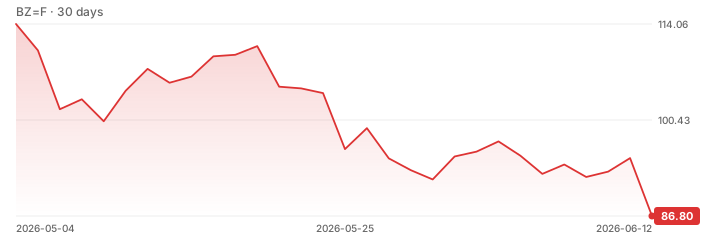
Markets are pricing in sustained shipping risk, with Brent crude remaining volatile as traders assess the likelihood of renewed disruptions.
The persistence of this risk premium reflects investor caution amid the breakdown of recent US-led diplomatic efforts to secure Gulf backing for a peace deal.
Energy prices remain sensitive to any further escalation in the strait, where oil flows previously surged to 10 million barrels a day as shipping resumed.
The geopolitical backdrop remains tense, with the US reviewing military options against Iran while diplomatic talks stall.
This dual-track approach — combining military readiness with stalled negotiations — creates an environment of uncertainty that weighs on trade routes and energy supply chains.