The strategic importance of the Strait of Hormuz is being challenged by a dual reality: immediate military escalation and long-term infrastructure diversification.
While the waterway remains a critical bottleneck for global oil flows, nations surrounding Iran are investing billions into new overland pipeline networks designed to reduce reliance on the strait by 2030.
This structural shift suggests that Tehran’s leverage over global energy supplies may be diminishing in the long term, even as short-term volatility spikes.
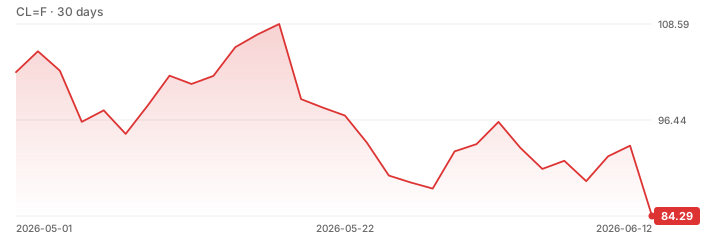
Crude oil prices jumped sharply on Thursday following reports that the United States has initiated a new round of military strikes against targets in Iran.
The escalation marks a significant intensification of the conflict, reigniting fears of a prolonged closure or severe disruption to tanker traffic.
Despite the Strait of Hormuz having reopened after previous hostilities, the threat of renewed attacks keeps risk premiums embedded in energy markets.