Strategic petroleum reserves are insufficient on their own to protect economies from severe oil supply disruptions, according to a new opinion piece.
David Fickling argues in Bloomberg Opinion that governments must simultaneously reduce domestic crude consumption to maximize the utility of the reserves they are currently building up.
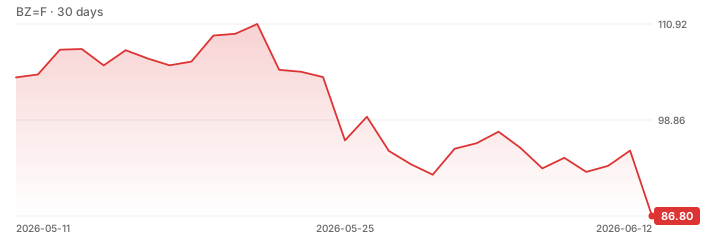
Handelsavisen previously reported that oil prices retreated as US-Iran talks yielded positive progress, signaling a temporary de-escalation of tensions.
The commentary arrives as global markets continue to digest the evolving security situation in the Strait of Hormuz.
While recent diplomatic progress in Doha has helped ease immediate supply fears, the underlying vulnerability of key shipping chokepoints remains a persistent risk factor for energy traders.
Handelsavisen previously reported that oil prices retreated as US-Iran talks yielded positive progress, signaling a temporary de-escalation of tensions. However, the region's stability remains fragile, with earlier incidents including a cargo ship strike and IRGC-enforced transit routes highlighting the operational risks to global energy flows.
The argument for demand-side management adds a policy dimension to the ongoing market repricing of geopolitical risk.
As China and other major importers navigate these disruptions, the effectiveness of strategic reserves will depend not just on volume, but on the rate of drawdown driven by consumption patterns.
Traders should monitor upcoming OPEC+ signals and any further developments in US-Iran negotiations for clues on how supply risk premiums may adjust in the near term.