Tesla has recorded its first negative cash flow in more than two years, driven by escalating expenditures on artificial intelligence and robotics infrastructure.
The electric vehicle manufacturer reported a cash outflow of $1.1 billion in the second quarter, marking a significant shift in its financial profile as it pivots resources toward long-term technology bets rather than immediate vehicle production scaling.
3% to $390 in Thursday trading, extending a sharp sell-off that began in extended hours after the company reported second-quarter earnings that fell short of analyst expectations.
The disclosure of the cash burn comes as investor sentiment remains fragile.
Tesla shares tumbled 8.3% to $390 in Thursday trading, extending a sharp sell-off that began in extended hours after the company reported second-quarter earnings that fell short of analyst expectations. The market's reaction underscores growing impatience with the company's capital allocation strategy, as investors weigh the promise of autonomous driving and humanoid robots against near-term liquidity constraints.
The valuation pressure has been severe enough to alter the competitive landscape among tech giants.
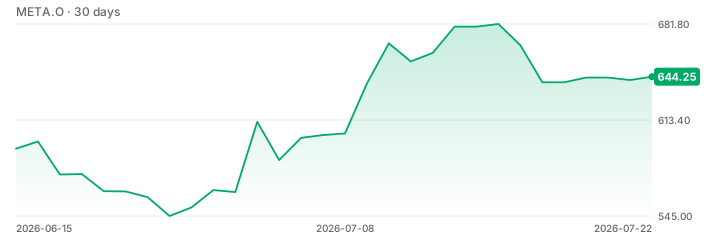
Meta Platforms has surpassed Tesla in market capitalization, a milestone reached not through outperformance by the social media giant but rather due to a steeper decline in Tesla's share price. This shift highlights how quickly market leadership can change when growth narratives collide with cash-flow realities.