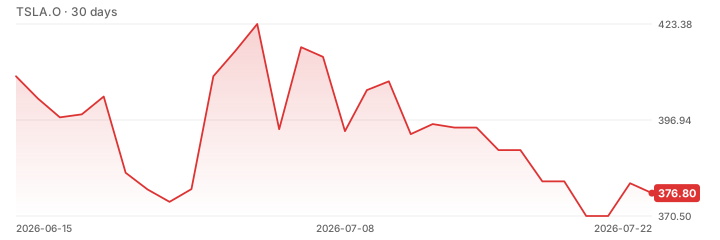
Tesla shares suffered their worst trading session in more than a year, tumbling 14% by midday in New York as investors rejected the company's strategic pivot toward artificial intelligence and robotics.
The sell-off was triggered by second-quarter earnings that fell short of analyst expectations, reigniting skepticism about the electric vehicle maker's ability to sustain growth beyond its core automotive business.
This development marks a significant reversal from earlier in the month, when Tesla shares surged on reports of a 25% jump in deliveries and optimism surrounding self-driving software updates.
The sharp decline extended a downturn that began in extended-hours trading following the release of the quarterly results.
Multiple Wall Street analysts slashed their price targets for the stock, citing concerns that heavy capital expenditure on AI infrastructure is diverting resources from the core vehicle business without delivering near-term returns.
The market reaction underscores a growing impatience among investors for tangible progress on Musk's autonomous driving ambitions.
This development marks a significant reversal from earlier in the month, when Tesla shares surged on reports of a 25% jump in deliveries and optimism surrounding self-driving software updates. The recent rally, which saw the stock lead US equity gains amid hopes of resilient EV demand, has been completely erased by the latest profit miss. The volatility highlights the fragile nature of Tesla's valuation, which remains heavily dependent on the successful commercialization of its full self-driving technology.