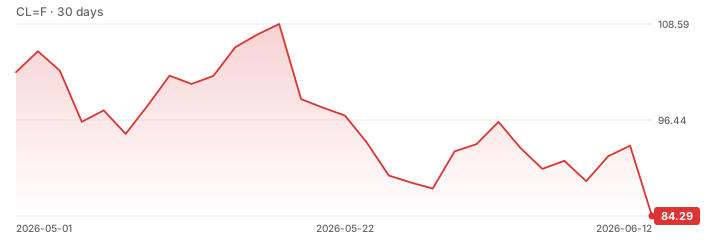
The US administration has imposed a 20% toll on shipping through the Strait of Hormuz, a move that has immediately jolted global energy markets and forced a rapid recalibration of trade flows in Asia.
The levy, described as a blockade-cum-toll, follows the breakdown of the US-Iran ceasefire and represents a significant escalation in geopolitical pressure on one of the world's most critical energy chokepoints.
Crude oil prices surged approximately 9% on Monday in response to the announcement, reflecting immediate market concern over supply disruption and increased transit costs.
Crude oil prices surged approximately 9% on Monday in response to the announcement, reflecting immediate market concern over supply disruption and increased transit costs.
The sharp rise underscores the vulnerability of global energy flows to political decisions in the Persian Gulf, with traders pricing in higher risk premiums for shipments passing through the strait.
Asian economies, heavily dependent on Middle Eastern oil imports, are now adapting to the new reality.
Reports indicate that the region is leveraging alternative trade routes and an ongoing AI technology boom to mitigate the impact of higher energy costs.