Turkish retail fuel prices for gasoline, diesel, and LPG are being adjusted again as currency volatility and rising special consumption taxes (ÖTV) continue to drive costs higher.
The latest price changes reflect the ongoing transmission of global energy market fluctuations and domestic fiscal policy to the pump.
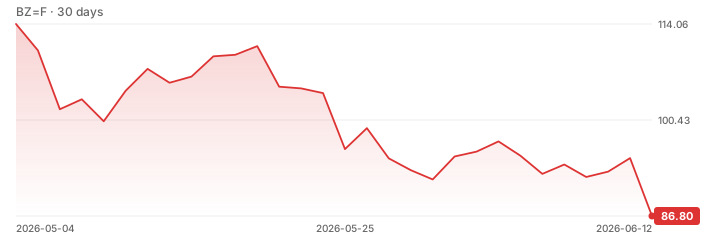
While Brent has stabilized around $72 in recent sessions, the Turkish lira’s sensitivity to external shocks means that even modest moves in the underlying commodity can trigger significant local price adjustments.
Brent crude prices have remained a key input variable, with recent geopolitical tensions in the Strait of Hormuz adding a risk premium to global oil benchmarks.
While Brent has stabilized around $72 in recent sessions, the Turkish lira’s sensitivity to external shocks means that even modest moves in the underlying commodity can trigger significant local price adjustments.
The situation in Turkey mirrors broader European trends where the expiration of price caps and subsidies has led to sharp increases in fuel costs.
In Poland, for example, fuel prices surged significantly earlier this month as state subsidies expired, highlighting the region’s vulnerability to energy cost shocks.
For traders and investors, the persistence of high fuel costs in Turkey underscores the continued pressure on consumer spending and inflation expectations.
The interplay between global oil prices, currency movements, and domestic tax policy remains a critical watchpoint for emerging market exposure.