The United States and Iran have engaged in direct military exchanges, marking a sharp escalation in hostilities centered on the Strait of Hormuz.
Iran fired ballistic missiles at a US airbase in Jordan, prompting a five-hour retaliatory strike by US forces against targets within Iran.
The coordinated attacks signal a breakdown in previous de-escalation efforts and raise immediate concerns about the security of maritime transit through the narrow waterway.
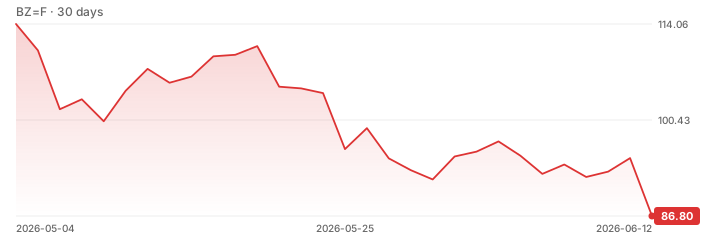
Markets reacted swiftly to the renewed violence, with Brent crude prices surging on fears that shipping lanes could be disrupted or closed entirely.
The Strait of Hormuz handles roughly a fifth of global oil consumption, and any sustained interruption would trigger severe supply shocks.
Traders are now pricing in a significant risk premium as the window for diplomatic resolution narrows.
This development follows weeks of heightened tension, including earlier warnings from UNCTAD about persistent price shocks for vulnerable economies despite temporary calms in the region. The current flare-up undermines recent diplomatic overtures, including US efforts to secure Gulf backing for a peace deal, and suggests that military posturing has replaced negotiation as the primary driver of regional dynamics.
Investors should monitor insurance rates for tankers transiting the strait and watch for official statements from the US Navy regarding convoy operations.