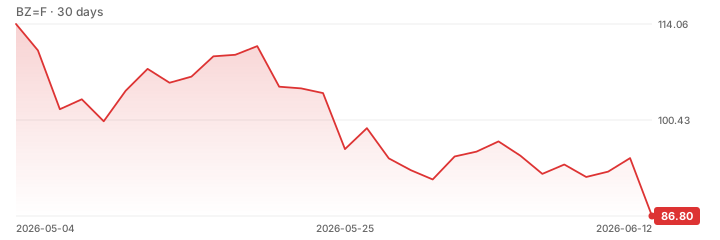
US consumer price inflation reversed course in June, with the Consumer Price Index falling 0.4% month-on-month, a sharp turnaround from the 0.5% increase recorded in May.
The deceleration was driven primarily by a significant drop in energy costs, particularly gasoline, as markets priced in a potential diplomatic resolution to the US-Iran conflict in the Middle East.
The cooling in headline figures reflects a temporary de-escalation of geopolitical tensions that had previously fueled a surge in oil prices and broader consumer costs.
While the June print offers relief from the three-year high inflation levels seen earlier in the year, the volatility underscores the sensitivity of US price stability to external energy shocks.
For investors, the reversal highlights the fragile nature of the disinflation trend.
The Federal Reserve faces a complex path forward as it weighs the impact of transitory energy price swings against underlying inflation pressures.
The market reaction suggests traders are recalibrating expectations for future rate cuts, balancing the immediate relief from lower energy bills against the risk of renewed geopolitical escalation.
The data also reinforces the cross-asset linkages between Middle East stability and global macro indicators.