The United States has introduced new airspace bans and financing restrictions against Sudan's military-led government, citing allegations of chemical weapons use in the ongoing conflict with the Rapid Support Forces (RSF).
The measures mark a significant escalation in Western diplomatic pressure on Khartoum, following recent sanctions by Britain and the European Union targeting illicit gold and finance networks that fund the warring factions.
The sanctions specifically target the military government's ability to operate aircraft and access financial systems, aiming to isolate the leadership accused of deploying chlorine gas against rival paramilitaries.
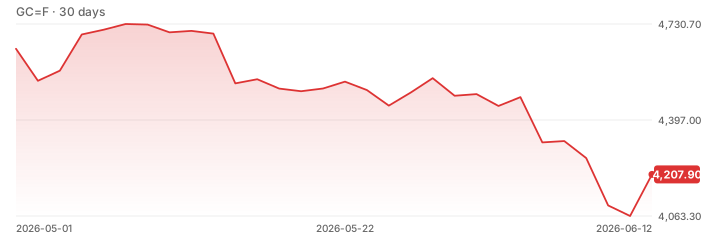
This development follows a coordinated international effort to disrupt the funding mechanisms sustaining the civil war, with the UK recently announcing measures against illicit gold networks and the EU imposing a comprehensive ban on gold imports from the region.
For energy and shipping markets, the escalation raises concerns about further disruption to regional trade routes and humanitarian corridors.
While Sudan is not a major oil exporter, the conflict's spillover effects on neighboring countries and regional stability continue to influence risk premiums in African equities and shipping insurance rates.