The Strait of Hormuz remains a flashpoint for global energy markets after the United States and Iran resumed hostilities on July 8, effectively stalling diplomatic efforts to normalize shipping in the region.
The strikes, launched after Washington accused Tehran of targeting Qatari and Saudi vessels, signal that the memorandum of understanding reached between the two nations has failed to secure a lasting ceasefire.
This escalation transforms the waterway from a corridor of tentative de-escalation back into a high-risk zone for commercial traffic.
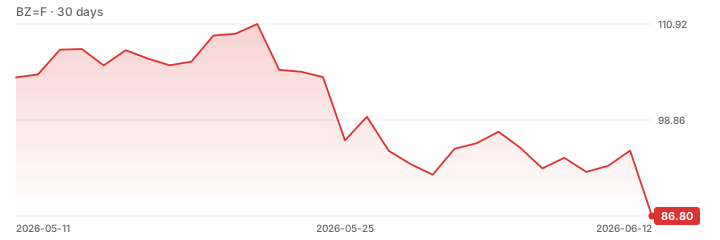
Brent crude prices held firm on the news, reflecting the market’s continued pricing of a geopolitical risk premium.
While physical traffic through the strait has reportedly remained steady in recent days, the threat of sporadic conflict keeps tanker insurance rates elevated and discourages long-term supply chain normalization.
The incident underscores the fragility of the current truce, with traders wary that any further miscalculation could trigger a broader supply disruption.