The United States has launched a new wave of military strikes against Iran, hitting more than 80 targets in retaliation for Tehran's attacks on three commercial vessels in the Strait of Hormuz.
US Central Command confirmed the operation early Wednesday, marking a significant escalation in regional hostilities just days after oil flows had begun to stabilize following a brief ceasefire.
The immediate aftermath saw missile alert sirens sound across Bahrain, home to the US Navy's Fifth Fleet, as Iran warned it would "take whatever measures it deems necessary" in response.
This rapid tit-for-tat exchange underscores the volatility of the corridor, which had seen traffic collapse to just five ships earlier in June before a tentative resumption of flows.
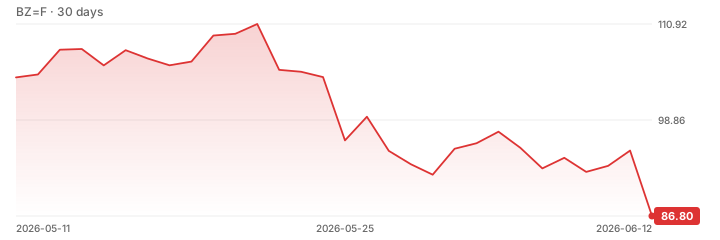
For markets, the development reignites fears of a prolonged supply disruption.
The Strait of Hormuz remains the world's most critical oil chokepoint, and any further attacks on commercial shipping could trigger a sharp repricing in Brent crude and freight rates.
Investors are now assessing whether this marks a return to the severe disruptions seen late last month or a contained retaliatory strike.
The strikes complicate ongoing diplomatic efforts, with US officials previously reviewing military options while talks persisted.
The reinstatement of oil sanctions alongside these strikes suggests a hardening of the US stance, potentially sidelining European security initiatives aimed at de-escalating the region.
Traders should monitor for immediate updates on shipping insurance premiums and any announcements from major oil majors regarding rerouting strategies.