The United States launched its seventh consecutive night of airstrikes on Iran on Friday, targeting critical infrastructure including bridges and a water plant, while Tehran responded with fresh missile attacks against U.S. allies in the Gulf.
The intensifying conflict has further complicated the already fragile security situation in the Strait of Hormuz, a vital chokepoint for global oil shipments.
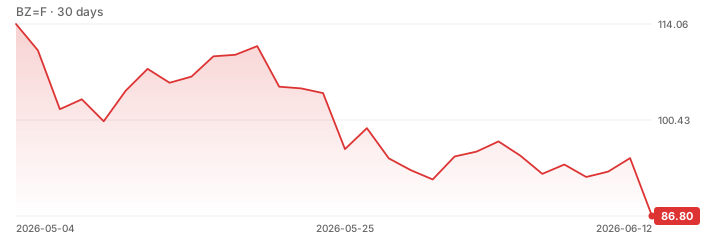
Brent crude prices climbed in response to the renewed violence, reflecting market anxiety over potential disruptions to energy flows.
The price move underscores the persistent risk premium investors are attaching to Middle Eastern shipping routes, following recent incidents that saw two tankers explode in the strait.
This latest escalation marks a significant deterioration in the diplomatic standoff, with both sides refusing to de-escalate.
The targeting of infrastructure such as bridges and water facilities suggests a broadening of military objectives beyond immediate combat zones, potentially impacting regional stability and logistics networks.
Traders are now closely monitoring insurance rates and shipping schedules through the Hormuz corridor.
Any further incidents involving commercial vessels could trigger a more severe supply shock, given the strait's role in transporting a significant portion of the world's oil.
The situation remains volatile, with no immediate signs of a diplomatic resolution.