The United States has struck an oil tanker with missiles in the Gulf, citing the vessel's attempt to breach a newly reimposed naval blockade of Iranian ports.
US Central Command confirmed the engagement on Wednesday, targeting the ship's smokestack to disable it after it moved toward Iran's largest oil export terminal.
The strike follows a period of tentative stability, with oil flows having surged to 10 million barrels a day as shipping resumed earlier in July.
The strike marks a sharp escalation in enforcement measures, moving from diplomatic pressure to direct kinetic action against commercial shipping assets attempting to service Iranian infrastructure.
This development immediately heightens risk premiums for energy flows through the Strait of Hormuz, a chokepoint that handles roughly a fifth of global oil consumption.
The strike follows a period of tentative stability, with oil flows having surged to 10 million barrels a day as shipping resumed earlier in July. The use of Hellfire missiles against a commercial vessel signals that the US is willing to physically interdict traffic, raising the stakes for tanker operators and insurers navigating the corridor.
The incident occurs against a backdrop of stalled diplomatic talks, with Iran's refusal to meet US envoys having previously contributed to rising energy prices. While the UN had warned that reopening the strait would not immediately end global trade shocks, the direct targeting of a vessel introduces a new layer of operational uncertainty. Markets are likely to reassess the probability of sustained disruption, particularly as the US reviews military options against Iran amid persisting tensions.
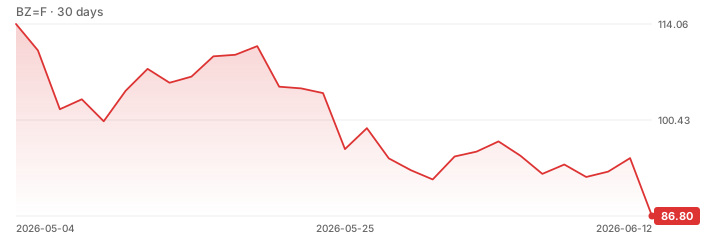
Traders should monitor Brent crude for immediate volatility as the market digests the physical enforcement of the blockade.