Mohammad Marandi, a former senior adviser to Supreme Leader Ali Khamenei, issued a stark warning on Saturday that critical infrastructure across the Gulf states and in Israel could face devastating attacks if Iran’s civilian energy infrastructure is targeted.
The threat underscores the escalating rhetoric surrounding the region’s energy chokepoints and raises fresh concerns about the security of shipping routes and export facilities.
The comments come as US officials have reportedly raised concerns over the adequacy of missile-defense resources in the region, according to The Jerusalem Post.
Marandi’s statement signals a potential shift in Iran’s deterrence strategy, explicitly linking the safety of its own energy assets to the security of neighboring states’ infrastructure.
This mutual vulnerability dynamic adds a new layer of complexity to the geopolitical standoff.
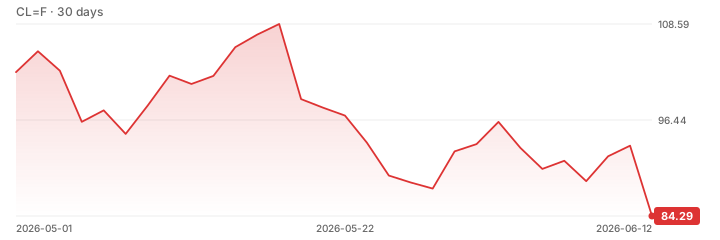
For energy markets, the threat introduces a tangible risk premium to crude oil and natural gas flows through the Strait of Hormuz.
Any escalation that impacts shipping lanes or port facilities could disrupt a significant portion of global oil supplies, leading to sharp repricing in Brent and WTI crude.