Iraq and Turkey have agreed to increase crude oil exports through a pipeline connecting to the Turkish Mediterranean port of Ceyhan.
The deal, signed on Saturday, is designed to help Baghdad diversify its export infrastructure and reduce dependence on shipping lanes through the Strait of Hormuz, which have faced persistent geopolitical pressure and closure risks in recent months.
The agreement comes as global energy markets continue to price in the risk of disruption in the Gulf.
With shipping routes exposed to military activity and diplomatic stalemates between Iran and the US, major producers are accelerating efforts to secure alternative corridors. The Ceyhan route offers a direct path to European and global markets without traversing the contested chokepoint.
This development follows a similar move by Iraq and Syria, which recently signed an agreement to rebuild the Kirkuk-Baniyas pipeline to create another direct export route to the Mediterranean.
These parallel infrastructure projects signal a strategic shift among Gulf producers to mitigate the impact of potential Hormuz closures on their revenue streams.
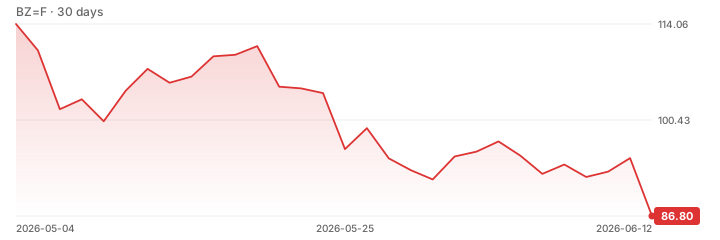
Brent crude prices have remained volatile as traders weigh the immediate supply risks against the longer-term structural changes in export logistics.
The new Iraq-Turkey deal adds to the narrative of supply resilience, potentially tempering some of the extreme risk premiums seen during peak tensions.
Market participants will now watch for details on the volume commitments and timeline for the expanded Ceyhan exports.