Delays in public-sector salary payments in Iraq have intensified scrutiny of the Central Bank of Iraq’s (CBI) ability to manage mounting fiscal pressures.
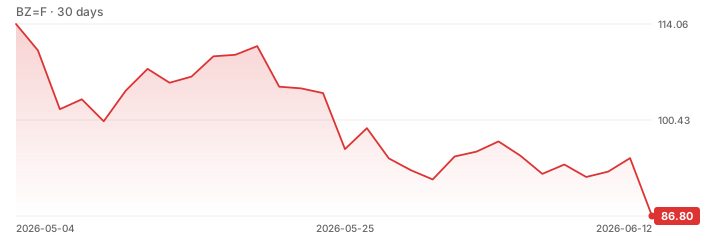
As oil revenues decline, the state’s capacity to meet its wage obligations is being tested, sparking debate over whether the central bank can provide sufficient liquidity to bridge the gap.
The payment disruptions highlight the structural vulnerability of Iraq’s budget to energy price volatility.
With the state heavily reliant on hydrocarbon exports, any dip in production or pricing directly impacts the Treasury’s cash flow, forcing a reliance on central bank advances to keep the public sector functioning.
This development follows earlier operational measures aimed at mitigating wage delays.
State-owned Rafidain Bank recently ordered several branches and departments handling salary localization to remain open on weekends to accelerate processing.