Liquefied petroleum gas supplies in Nepal have tightened following the resumption of full 14.2 kg cylinder sales, sparking accusations of artificial scarcity and overcharging by dealers.
Consumer rights activists are pressing authorities to intervene, arguing that the shortage is being manufactured to drive up prices rather than reflecting genuine supply constraints.
Nepal Oil Corporation, the state-owned fuel distributor, has pushed back against the allegations, attributing the market friction to a temporary surge in demand as consumers adjust to the new cylinder specifications.
The company maintains that the disruption is logistical and short-lived, stemming from the operational switch rather than a broader supply deficit.
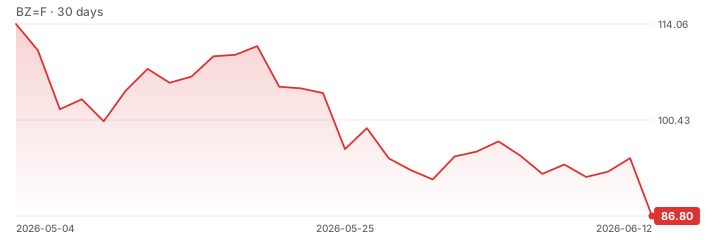
The incident underscores the fragility of Nepal’s domestic fuel market, which has been decoupling from the broader global oil price decline.
Despite falling international crude benchmarks, local consumers have seen little relief in petrol or diesel costs, with emergency pricing measures for LPG outliving their original purpose.