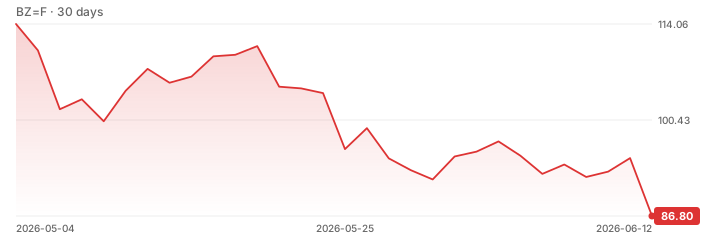
South Korea’s consumer price index rose 2.8% year-on-year in July, driven by sustained pressure from elevated oil prices.
The data, released Tuesday, indicates that while the rate of increase in energy costs has slowed, the absolute level of fuel prices continues to weigh heavily on the headline inflation figure.
This marks a persistent challenge for the Bank of Korea as it navigates a complex macroeconomic environment where energy volatility remains a key driver of domestic price stability.
The inflation print underscores the ongoing transmission of global energy market dynamics to local economies.
With oil prices remaining high, the cost pass-through to consumers has kept inflation above the central bank’s target range for an extended period.
The slowdown in the rate of oil price increases offers a marginal reprieve, but the base effect of previous hikes continues to distort the monthly and annual comparisons.