Zambians head to the polls on 13 August in a presidential election that will determine the direction of the country’s debt restructuring and macroeconomic policy.
The outcome carries direct implications for international investors exposed to the African nation’s mining sector, particularly as Lusaka continues to navigate a complex recovery path following its sovereign debt crisis.
While Zambia has made substantial progress in restoring macroeconomic stability, the IMF has cautioned that budgetary constraints remain acute.
The vote comes against a backdrop of intensifying fiscal pressures, according to recent assessments by the International Monetary Fund.
While Zambia has made substantial progress in restoring macroeconomic stability, the IMF has cautioned that budgetary constraints remain acute.
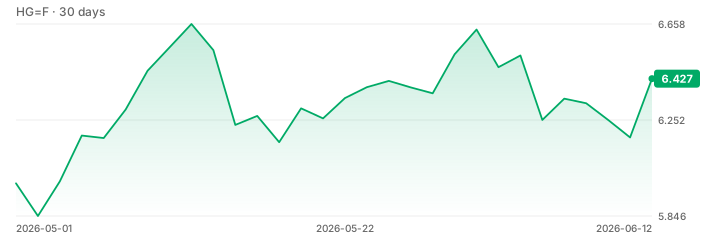
For traders monitoring copper supply chains, the political transition introduces a layer of uncertainty regarding future mining regulations, tax policies, and the pace of debt relief implementation.
Political friction has accelerated in the weeks leading up to the election, with opposition figures sharply contesting the agenda set by the ruling coalition.