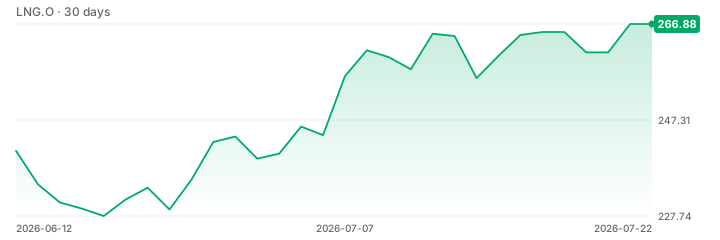
European natural gas storage levels have deteriorated to a historic low, with the gap between current stocks and seasonal norms widening significantly.
The tightening supply picture is being driven by lower global production and the ongoing impact of the Iran conflict on energy flows.
While the situation has raised alarms among market participants regarding the region's ability to weather a severe winter, analysts are currently playing down fears of a repeat of the 2022 price shock.
Liquefied natural gas (LNG) remains a critical component of the energy mix for key importers such as the UK and broader Europe, with supplies typically sourced from the US and Norway.
The reliance on these import routes underscores the vulnerability of the market to geopolitical disruptions.
As storage levels fall to their lowest point in 15 years, the market is repricing the risk of a supply shortfall during the upcoming heating season.
The current dynamic reflects a shift from the acute crisis of 2022 to a more persistent, structural tightness.
While prices have not yet spiked to previous extremes, the narrowing buffer between supply and demand leaves little room for error.