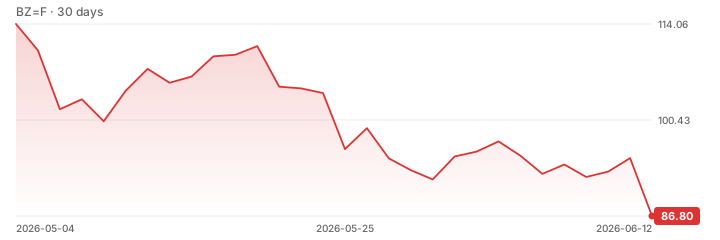
The energy implications of the conflict in the Gulf have deteriorated significantly since hostilities began five months ago, with Iran intensifying its efforts to control the Strait of Hormuz.
This strategic chokepoint remains critical for global oil flows, and the heightened risk of disruption is now translating into tangible market pressures beyond headline crude prices.
While Brent crude has faced volatility, the more acute impact is being felt in refined products.
Gasoline and diesel prices are rising faster than crude benchmarks, driven by widening refining margins known as the crack spread.
This divergence highlights how supply constraints at the refining stage are amplifying cost pressures for end consumers, even when crude supply remains technically available.
The surge in fuel costs is creating political headwinds in Europe, particularly in Germany, where pressure is mounting on the government to intervene in fuel markets.